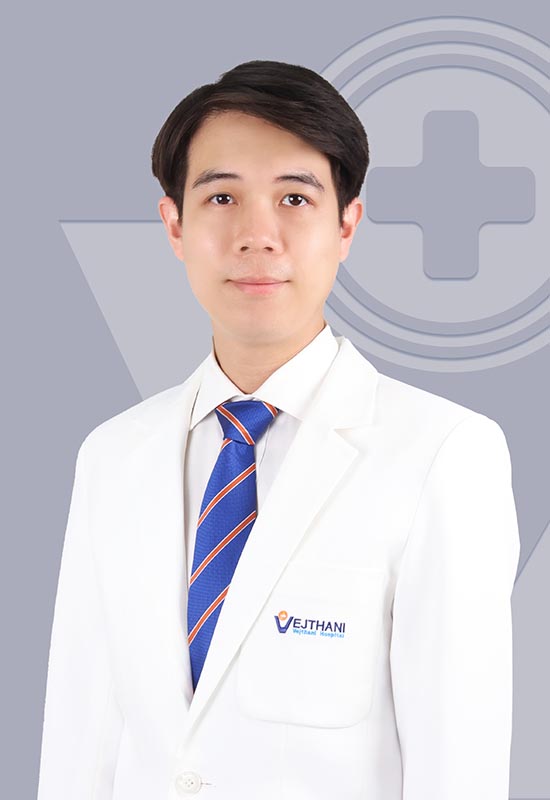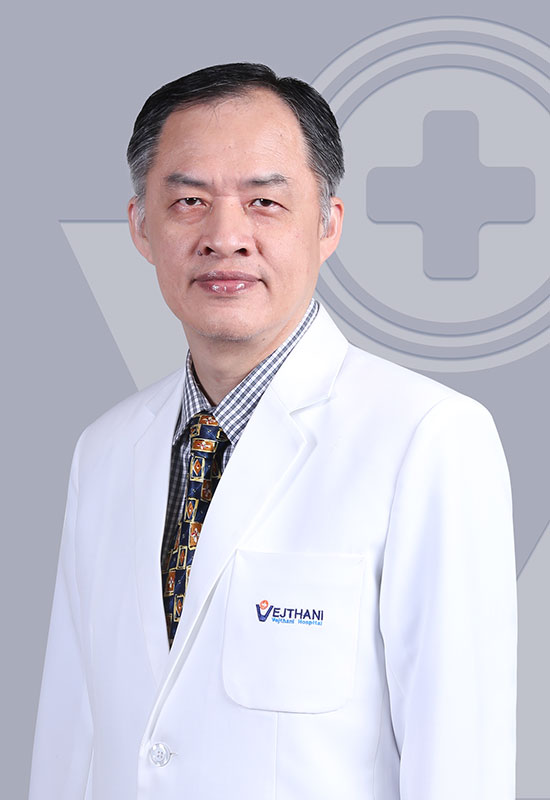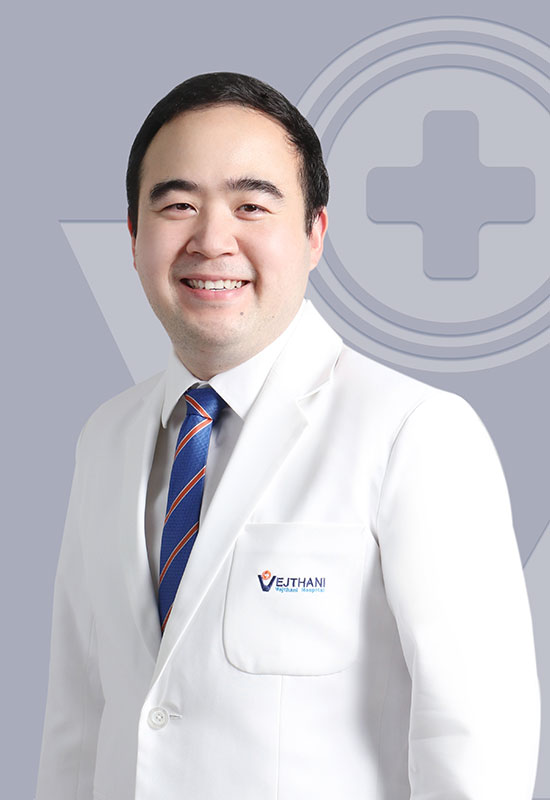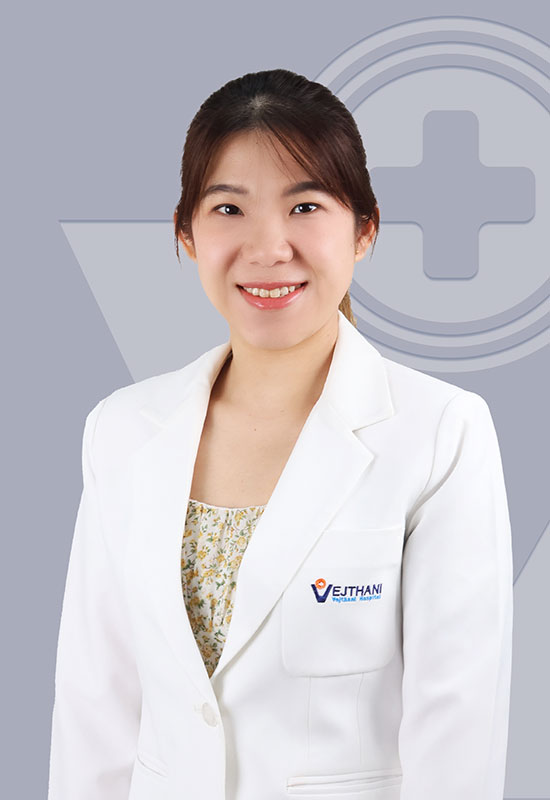
- รู้จักเรา
รู้จักเวชธานีOverseas Offices & Representativesคุณภาพมาตรฐานระดับสากลความประทับใจของผู้รับบริการ
 เส้นเลือดหัวใจตีบ นาทีเฉียดตาย เพราะคิดว่าเป็น “กรดไหลย้อน”หยุดทรมานจากเอ็นไหล่ฉีก ด้วยการส่องกล้อง แผลเล็ก ฟื้นตัวไวกลับมามีชีวิตใหม่ ด้วยหัวใจดวงเดิม ลิ้นหัวใจซ่อมได้ ไม่ต้องทนกินยาตลอดชีวิตมะเร็งปอด หายได้! หากตรวจพบเร็ว
 - บริการผู้ป่วย
- บริการทางการแพทย์
- แพ็กเกจและโปรแกรม
- บทความสุขภาพ







- รู้จักเรา
รู้จักเวชธานีOverseas Offices & Representativesคุณภาพมาตรฐานระดับสากลความประทับใจของผู้รับบริการเส้นเลือดหัวใจตีบ นาทีเฉียดตาย เพราะคิดว่าเป็น “กรดไหลย้อน”หยุดทรมานจากเอ็นไหล่ฉีก ด้วยการส่องกล้อง แผลเล็ก ฟื้นตัวไวกลับมามีชีวิตใหม่ ด้วยหัวใจดวงเดิม ลิ้นหัวใจซ่อมได้ ไม่ต้องทนกินยาตลอดชีวิตมะเร็งปอด หายได้! หากตรวจพบเร็ว
- บริการผู้ป่วย
- บริการทางการแพทย์
- แพ็กเกจและโปรแกรม
- บทความสุขภาพ
ศูนย์หูคอจมูก
ศูนย์หูคอจมูก
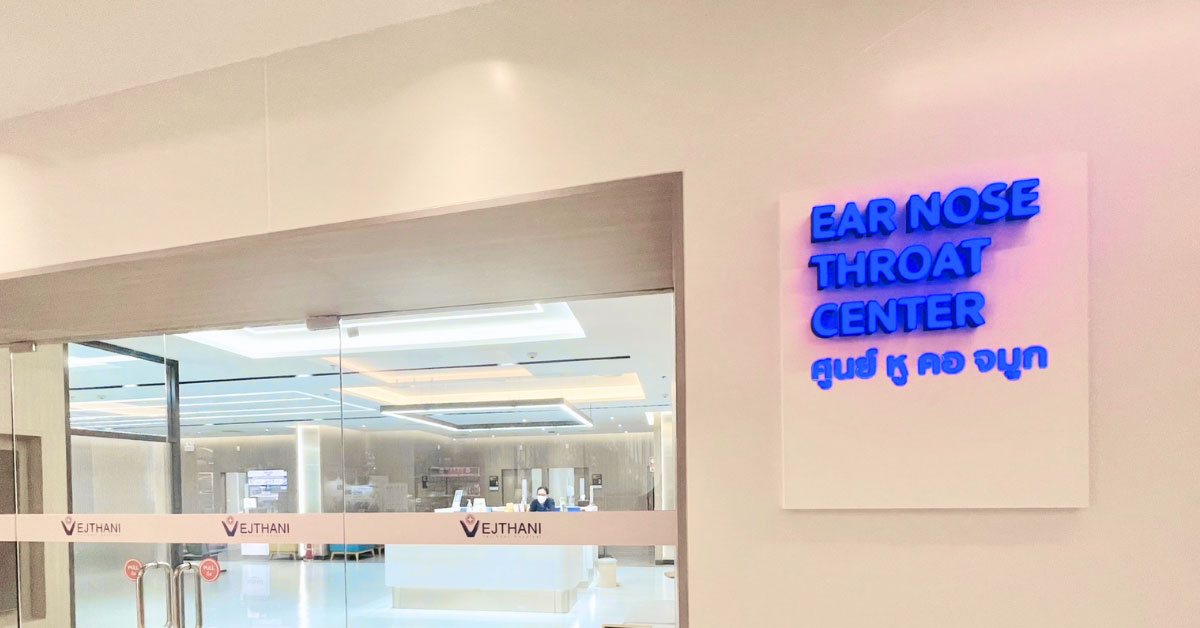
ศูนย์หูคอจมูก โรงพยาบาลเวชธานี (Ear & Nose & Throat Clinic) ให้บริการตรวจวินิจฉัย และให้การรักษา ผู้ป่วยที่มีปัญหาเกี่ยวกับหู คอ จมูก ด้วยเครื่องมือตรวจอันทันสมัย โดยแพทย์ผู้เชี่ยวชาญเฉพาะทาง เพื่อคุณภาพชีวิตที่ดีของผู้ป่วย
วัน เวลาทำการ
วันจันทร์ - วันอาทิตย์ เวลา 08.00-20.00 น.
สถานที่
ศูนย์หูคอจมูก ชั้น 1 โรงพยาบาลเวชธานี
นัดหมายและติดต่อสอบถาม
โทร.02-7340000 ต่อ 3400
บริการทางการแพทย์
ให้บริการตรวจวินิจฉัยและรักษาโรคต่อไปนี้
- ตรวจและรักษา โรคหู คอ จมูก ทั่วไป โรคไซนัส ทอนซิลอักเสบ และภูมิแพ้บริเวณทางเดินหายใจส่วนต้น
- ผ่าตัดโรคและเนื้องอกของหู คอ จมูก และ ต่อมน้ำเหลือง ข้างคอ มะเร็งช่องปาก
- ตรวจรักษาความผิดปกติของการกลืน เสียงแหบ เสียงเปลี่ยน มีกลิ่นปาก และอาการชาหรือปวดบริเวณใบหน้า
- ตรวจพิเศษเกี่ยวกับการได้ยิน และ การตรวจความสมดุล ของการทรงตัว
การตรวจกล่องเสียงและวินิจฉัยความผิดปกติทางการพูด เช่น กรณีพูดไม่ชัด พูดติดอ่าง - ตรวจและแก้ไขปัญหาเกี่ยวกับการพูดและการได้ยิน
- การตรวจด้วยกล้องจุลทัศน์
- การผ่าตัดใหญ่และเล็กของหู คอ จมูก
- การตรวจหู คอ จมูก สำหรับเด็ก
- การผ่าตัดหูชั้นกลาง
- การผ่าตัดโพรงจมูกด้วยกล้อง
- การตรวจหูชั้นในและระบบประสาท
ทีมแพทย์ที่เชี่ยวชาญเฉพาะด้าน พร้อมให้คำแนะนำ และปรึกษาปัญหา อาทิเช่น
หู, หูอักเสบ โรคหูน้ำหนวก, โรคของหู หูอื้อ, มีเสียงผิดปกติในหู
การได้ยินเสื่อม, สิ่งแปลกปลอมในหู, ตรวจการทำงานของหูชั้นกลางสำหรับนักดำน้ำและนักบิน
ตรวจระบบการทรงตัว, การใส่เครื่องช่วยฟังเสียง, คอ, เจ็บในลำคอ, แผลในคอเรื้อรัง
เสียงแหบ, เนื้องอกและลำคอบริเวณศีรษะ, มะเร็งบริเวณลำคอ, มีก้อนผิดปกติบริเวณคอ
ต่อมน้ำเหลืองโต, ต่อมน้ำลายโต, ต่อมไทรอยด์, คางทูม, จมูก, ภูมิแพ้, ไซนัส, การผ่าตัดไซนัส, นอนกรน
บริการตรวจรักษาแนะนำการผ่าตัดโรคเกี่ยวกับหู คอ จมูก ต่างๆ ได้แก่
- ตรวจการทำงานของระบบหูชั้นกลาง เพื่อวิเคราะห์อาการหูอื้อหรือสูญเสียการได้ยิน Audiogram and Tympanometry
- ตรวจสภาพหูชั้นนอก ชั้นใน และแก้วหูด้วยกล้องสามารถเห็นภาพทาง จอมอร์นิเตอร์ Ear Microscope
- ตรวจการได้ยินด้วยนักโสตสัมผัสวิทยาเพื่อตรวจระดับการได้ยิน Audiological assessment by audiologist
- ผ่าตัดไซนัส Endoscopic Sinus Surgery
- ศัลยกรรมช่องปาก Maxillofacial Surgery
- กล้องจุลทรรศน์สำหรับใช้ในการผ่าตัดหู Microscopic Ear
- การรักษาด้วยด้วยคลื่นวิทยุ Radiofrequency Tissue Volume Reduction
- ผ่าตัดไทรอยด์ Thyroid Surgery
- ผ่าตัดบริเวณศีรษะลำคอ Head and neck Surgery
- ตรวจภายในของช่องจมูกและปาก Nasal Endoscope
เราพร้อมให้บริการโดยแยกคลินิกเฉพาะทางที่ดูแลรักษา โรคเกี่ยวกับหู คอ จมูก ดังนี้
- คลินิกการได้ยิน (Hearing Clinic)
- คลินิกนอนกรน (Snoring Clinic)
- คลินิกไซนัสและภูมิแพ้ (Sinus & Allergy Clinic)
- คลินิกศีรษะและคอ (Head and Neck Clinic)
- ต่อมน้ำเหลืองโต ต่อมน้ำลายโต ต่อมน้ำลายบริเวณหู
- มะเร็งในช่องปาก
- ศัลยกรรมตกแต่ง
เครื่องมือและเทคโนโลยี
ห้องตรวจและเครื่องมือ
- ห้องตรวจ หู คอ จมูก พร้อมอุปกรณ์ครบครัน
- การส่องกล้องโพรงจมูกส่วนใน
- เครื่องวัดความเคลื่อนไหวของลูกตา
- เครื่องนวดหูชั้นกลาง
- การตรวจหูชั้นกลาง
อวัยวะบริเวณ หู คอ จมูก ศีรษะและลำคอ เป็นอวัยวะที่ซับซ้อน การตรวจวินิจฉัยโรคต่างๆ จึงจำเป็นต้องการตรวจอย่างละเอียด โดยแพทย์ผู้เชี่ยวชาญเฉพาะทาง ผสมผสานกับการการเลือกใช้เทคโนโลยีในการตรวจเพิ่มเติมอย่างเหมาะสม และแม่นยำ อีกทั้งแพทย์และพยาบาลยินดีให้คำปรึกษา และให้บริการอย่างอบอุ่น สะดวกสบาย เป็นกันเอง